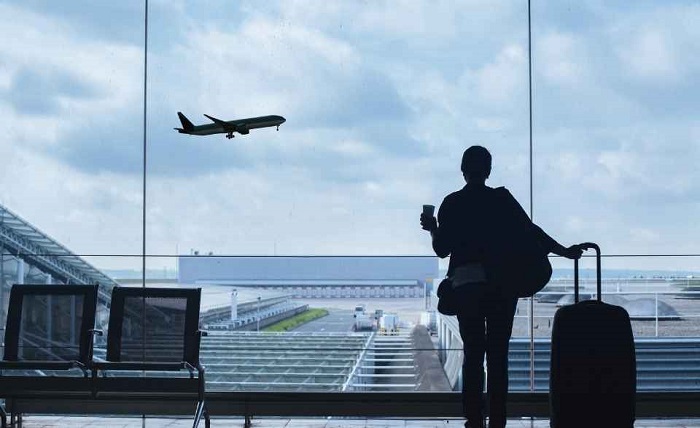
Air travel disruptions are common, and many passengers experience stress when they miss a connection due to delays. Understanding your rights for delayed flight compensation helps you know what support or reimbursement you may be eligible for depending on the route, airline, and jurisdiction.
Why Missed Connections Happen After Flight Delays
Missed connections usually occur when the first flight arrives late, giving passengers insufficient time to board the next segment. Tight layovers, weather conditions, air traffic congestion, and technical issues are among the most frequent causes. Even small delays can have a chain effect, especially at busy international hubs where schedules are tightly coordinated.
Who Is Responsible for the Missed Connection
Responsibility for a missed connecting flight usually depends on whether the journey was booked under a single ticket or as separate bookings. If the flights are on one booking, the operating airline is generally accountable for rebooking you on the next available flight without extra cost. When separate tickets are involved, responsibility can shift to the passenger, as each airline only covers its own segment.
Airlines are typically responsible when delays occur due to operational issues, technical faults, or crew scheduling problems. In such cases, passengers should be rebooked and may receive assistance such as meals, accommodation, or refunds depending on the delay length and circumstances.
Passenger Rights and EU Compensation Rules
Passenger rights are regulated under European and UK aviation laws that define when compensation applies for delays and missed connections.
Compensation amounts under EU and UK regulations are generally structured by flight distance and delay duration.
- Up to 1,500 km: €250 (£220) for delays over three hours or cancellations.
- Over 1,500 km within EU: €400 (£350) for similar delays or cancellations.
- International flights 1,500-3,500 km: €400 (£350) depending on delay length.
- Over 3,500 km: up to €600 (£520) depending on the final arrival delay and route.
The EU Air Passenger Rights Regulation ensures protection for travelers departing from EU airports or arriving on EU carriers. After Brexit, similar rules continue under UK legislation, maintaining consistent compensation standards for eligible passengers.
Eligibility for compensation generally requires that the disruption was not caused by extraordinary circumstances such as severe weather, political instability, or airport restrictions. Travelers are advised to keep all boarding passes, receipts, and booking confirmations, as these documents are often needed when filing a claim. Timely reporting of the issue to the airline can also improve the chances of a smoother resolution process.
When Airlines Are Liable for Missed Connections
Passengers can reduce disruption impact by choosing through tickets when possible and monitoring flight status updates before departure. Airlines often provide mobile notifications and rebooking options that help travelers manage delays more efficiently. Understanding these options helps passengers respond quickly when a connection is at risk.
Understanding Claim Support Services Like Skycop
Claiming compensation directly from airlines can involve paperwork, eligibility checks, and waiting periods. Support services like Skycop help passengers understand their rights and submit claims more efficiently by simplifying documentation and communication with airlines. This can be useful for travelers who prefer guidance during the process.
Many travelers prefer external guidance because airline claim processes can differ across countries and may require careful interpretation of regulations. Having structured support can reduce confusion, especially when multiple airlines are involved in a single journey. It also helps ensure that important deadlines for submitting claims are not missed.
Conclusion
Missed connections due to flight delays are a common issue in air travel, and responsibility depends on booking type and airline fault. Understanding passenger rights under EU and UK regulations helps travelers know what compensation or assistance they may receive. Staying informed before travel reduces confusion during disruptions.
Overall, understanding how responsibility is determined in missed connection cases allows travelers to make better decisions when booking flights and planning connections. It also encourages more careful itinerary planning, which can reduce the likelihood of disruptions and improve overall travel experience across different routes and airlines.
Awareness remains key to reducing travel stress and helping passengers stay prepared and informed during disruptions.