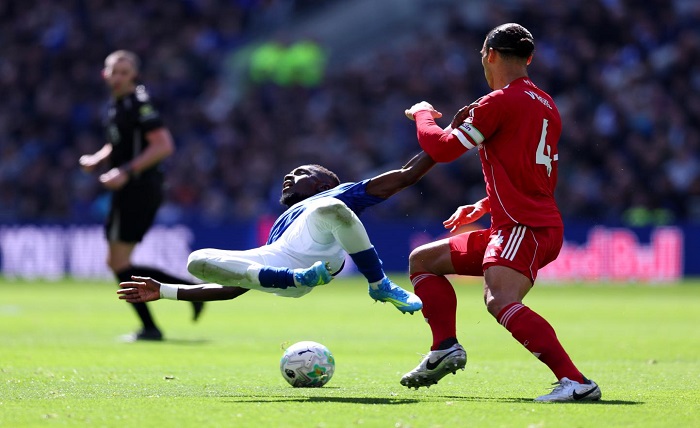
The tactical landscape of football often presents a profound paradox where a team’s chosen method of offensive dominance serves as the primary catalyst for its defensive collapse. During the 2012/2013 Italian Serie A campaign, several squads adopted possession-heavy frameworks that focused on high-density, intricate passing combinations immediately outside the opponent’s eighteen-yard box. While this methodology was designed to patienty pull compact low-blocks out of alignment, it frequently created immense vulnerability to rapid, vertical transitions. When an offensive sequence breaks down in such a highly congested area, the attacking team’s central defenders are often caught positioned near the halfway line, leaving vast areas of empty space that clinical counter-attacking opponents can immediately exploit.
The Biomechanical Traps of Compressed Attacking Shapes
Committing high numbers of outfield players to short-passing combinations within twenty-five yards of the opposition goal naturally compromises defensive structural balance. To maintain the passing triangles necessary to break through a dense defensive shell, a team must push its central midfielders and fullbacks deep into the attacking third. This extreme forward movement drastically reduces the distance between the attacking team’s lines, making it impossible to establish an effective rest-defense structure. If a pass is mistimed or intercepted within this crowded zone, the opponent immediately recovers the ball with their passing options already looking upfield, completely bypassing the initial counter-press.
Capitalizing on Transition Triggers to Spot Live Value Gaps
Analyzing live match metrics allows in-play specialists to look beyond standard possession percentages and pinpoint precisely when a dominant side is on the verge of conceding. When a team’s edge-of-the-box possession results in sideways movements rather than concrete shots, it indicates that the defensive block has successfully forced them into low-probability passing areas. Analysts observing these stagnant periods through a highly optimized web-based service operated by แทงบอล can strategically capitalize on inflated live handicaps right before a transition occurs. This structural pattern ensures that instead of chasing random goals, speculative positions are backed by the mechanical certainty that high-density passing systems inherently create massive defensive gaps when under sustained pressure.
Mechanics of Turnover Trajectories in the Final Third
The physical path of a football immediately after a final-third turnover dictates the speed and lethality of the ensuing counter-attack. When a short pass is intercepted outside the box, the ball rarely goes dead; instead, it remains active in central areas where midfielders can immediately launch long passes. Because the attacking team’s players are oriented forward, their body weight prevents them from turning quickly, giving the counter-attacking side a vital two-second head start.
To illustrate how these mechanical breakdowns altered specific match outcomes during the 2012/2013 season, analysts can contrast the historical records of the league’s primary possession units. The following matrix outlines how distinct passing configurations directly influenced transition concession rates across the campaign.
| Passing Archetype | Average Passes inside Attacking Third | Turnovers in Central Zones | Counter-Attack Goals Conceded | Primary Market Vulnerability |
| Intricate Edge-of-Box | High (180+) | Elevated (14.2) | 12 | Heavy Favorite Spread Collapses |
| Direct Vertical Infiltration | Low (90-) | Moderate (9.5) | 5 | Highly Stable Away Spread Cover |
| Flank Overload Crossing | Moderate (120) | Low (6.1) | 4 | Low Score Total Volatility |
Reviewing this systematic distribution demonstrates that passing volume inside the attacking third introduces severe structural risks if it lacks vertical penetration. Teams that insisted on over-elaborating outside the penalty area consistently suffered from spread failures because their possession numbers inflated their market prices while hiding their massive vulnerability to quick transitions.
Historical Profiles of Strategic Disparity in the 2012/13 Campaign
Deconstructing individual team performances from this specific era reveals clear examples of how possession strategies influenced defensive stability. The contrasting approaches used by the league’s top clubs show that having technically superior players does not protect a team from transition vulnerabilities if their tactical shape is structurally flawed.
Roma’s Zemanian Infiltration and Structural Chaos
Under the guidance of Zdenek Zeman, AS Roma pushed the concept of edge-of-the-box passing to its absolute limit, frequently positioning all ten outfield players inside the opponent’s half. While this led to high goal scoring totals, it also resulted in catastrophic defensive records, as a single intercepted pass routinely left their goalkeeper entirely isolated against multiple attackers.
Fiorentina’s Patient Overload and Spatial Preservation
Detailed Tactical Breakdown of Passing Inefficiencies
- The Extra-Pass Syndrome: Making an unnecessary short pass inside a crowded zone instead of shooting, allowing defenders time to close down spaces.
- The Fullback Trapped High: Fullbacks pushing so far forward during buildup play that they cannot track back to stop opposing wingers on the counter.
- The Static Midfield Anchor: Defensive midfielders stepping up into the edge-of-the-box rotation, leaving the central defenders completely exposed.
Reviewing these tactical breakdowns proves that high-density passing styles require perfect execution to avoid defensive disaster. When a squad lacks the technical precision to complete quick combinations under pressure, their edge-of-the-box passing style acts as a direct assistance to the opponent’s counter-attacking strategy.
Contextual Variables That Amplify Transition Vulnerability
The real-world danger of conceding from a counter-attack varies significantly based on environmental conditions and the physical state of the pitch. On dry, unwatered surfaces, the speed of short passes slows down significantly, allowing low-blocks to easily intercept predictable horizontal balls outside the area. Furthermore, late in both halves, physical fatigue reduces the recovery speed of attacking fullbacks, transforming what would normally be a standard tactical foul into a clear goalscoring opportunity for the opposition.
Harnessing Algorithmic Verticals to Stabilize Fluctuating Speculative Capital
Relying entirely on the highly volatile transition dynamics of live football matches introduces substantial bankroll swings, especially when underdogs miss clear counter-attacking chances due to poor finishing. To counter this unavoidable on-pitch variance, professional operators systematically split their risk exposure by engaging with fixed-probability digital platforms during major league matchweeks. Experience indicates that speculators who balance their advanced sports analysis with the invariant mathematical frameworks found within a reliable betting destination like casino online can handle long-term variance far more effectively. This strategic balance ensures that a missed two-on-one counter-attack or a controversial refereeing decision will not compromise an individual’s total operational liquidity over a grueling season-long timeline.
- Fixed Risk Parameters: Algorithmic platforms operate on stable, permanent mathematical matrices that are completely free from human variables like player fatigue or poor execution.
- Portfolio Balance: Splitting capital across entirely independent risk classes protects an operator’s primary balance sheet from prolonged sports-market drawdowns.
- Strategic Calm: Maintaining active positions across diverse verticals removes the emotional pressure to force low-value sports selections when the weekly schedule lacks clear tactical value.
Incorporating these stabilization measures fundamentally changes how an analyst interacts with sports data. Instead of looking at every possession-heavy team as an automatic betting opportunity, the operator can patiently wait for clear tactical mismatches, knowing their capital is protected against short-term variance.
Summary
The 2012/2013 Serie A campaign highlights that edge-of-the-box passing systems offer highly predictable opportunities for counter-attack fading strategies, provided the opponent features vertical speed. By ignoring possession metrics and focusing directly on final-third turnover rates, rest-defense positions, and recovery speed deficits, speculators can easily locate highly profitable value lines that public models consistently misprice. However, building a sustainable advantage requires combining these tactical insights with an awareness of situational field conditions and proper bankroll diversification, ensuring that data-driven metrics serve as an objective guide rather than a speculative gamble.