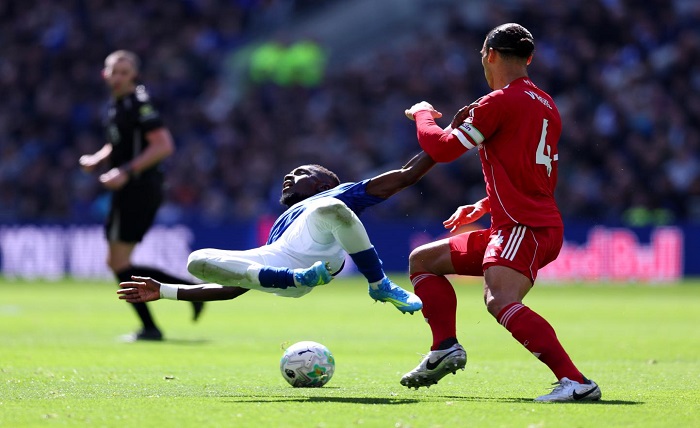
The tactical narrative of the 2011/2012 La Liga campaign is universally celebrated for the perfection of short-passing combinations in the attacking third, yet this specific style carried severe structural vulnerabilities that opponents systematically exploited. When a possession-oriented team commits multiple structural layers forward to sustain passing combinations directly outside the opponent’s penalty area, they naturally compromise their defensive rest-defense shape. The high concentration of technical players in a compressed zone leaves massive space vacant behind the attacking lines, creating optimal conditions for instant, vertical counter-attacks upon an unexpected turnover. By analyzing the structural mechanics of transition phases during this iconic Spanish season, sports analysts can map out how elaborate, edge-of-the-box passing directly increased a team’s vulnerability to lethal counter-offensive exposures.
The Operational Risk Matrix of Low-Velocity Penetration Zones
Sustaining short-passing sequences in highly congested zones requires absolute technical precision, as the density of defenders reduces the time and space available for every single touch. In the final third, a single inaccurate pass or a heavy touch instantly transforms a high-leverage attacking phase into a catastrophic defensive emergency. Because the attacking full-backs and central midfielders have pushed high to support the possession web, the team loses its depth, meaning they lack the defensive layers required to slow down an opposing breakout.
This specific risk profile explains why high possession stats often function as a misleading indicator of absolute match control. A squad might pass the opponent into total submission for seventy minutes, yet remain highly vulnerable to dropping points due to the explosive nature of the turnovers they concede. Consequently, analyzing how a team behaves immediately before a final-third turnover provides a superior predictive metric for forecasting clean sheet degradation compared to simply looking at total time on the ball.
The Spatial Mechanics of Final-Third Turnover Cascades
A transition crisis begins the exact millisecond a short pass is intercepted outside the opposition box, triggering a rapid reorganization where the defending side shifts from a deep block into an expansive vertical sprint. If the attacking side has over-committed its central anchors into the edge-of-the-box matrix, they are physically incapable of executing a counter-press before the ball leaves the zone. This spatial clearance allows the breaking team to bypass the entire midfield structure with a single forward pass, isolating isolated central defenders in open space.
Evaluating how these sudden changes in possession impacted live match pricing required analytical interfaces capable of processing spatial data in real time. Contrast between rigid pre-match algorithms and dynamic in-play environments reveals that utilizing the reactive infrastructure of a premier web-based service like ufa168 ufabet entrance allowed sophisticated evaluators to track the precise moments when over-elaborating favorites exposed themselves to severe transition damage. By monitoring the advanced positioning of a favorite’s midfield line, researchers isolated instances where the live underdog handicap carried exceptional value, as the tactical shape of the possession team made a conceded counter-attack statistically inevitable.
Decoupling Barcelona’s Perfected Counter-Press from Mid-Table Imitators
While Pep Guardiola’s Barcelona set the benchmark for edge-of-the-box possession, their system survived because it featured an elite counter-pressing mechanism designed to snuff out turnovers within three seconds. The moment the ball was lost, players like Sergio Busquets aggressively compressed the immediate space, choking the passing lanes before the opponent could look downfield. This extreme defensive intensity allowed them to sustain their high-positioned passing structures without suffering catastrophic transition damage every week.
The systemic failure point in the 2011/2012 season occurred when mid-table Spanish clubs attempted to replicate this attractive possession style without possessing the elite athletic profile or defensive discipline required to run the counter-press. Squads that tried to pass meticulously through the center frequently surrendered possession without applying immediate pressure on the ball carrier. This half-hearted imitation resulted in the worst possible tactical scenario: high defensive positioning paired with complete passive transition defense, turning every edge-of-the-box interception into a direct run at their own goalkeeper.
Statistical Signatures of Over-Elaborate Possession Structures
To construct an accurate predictive model focused on transition exposure, researchers had to isolate specific individual and team performance variables within advanced database applications. The classification sequence detailed below outlines the precise tactical behaviors that drove variance in counter-attack concessions during the 2011/2012 season.
- Density-to-Turnover Ratio: Measuring the average number of short passes attempted inside a twenty-meter radius of the opponent’s box before a turnover occurs, identifying over-elaboration.
- Rest-Defense Depth Variable: Calculating the exact distance between a team’s deepest central defender and their highest forward during sustained final-third possession phases.
- Transition Clearance Velocity: Tracking the time elapsed between an opponent winning the ball outside their own box and successfully entering the attacking half.
Isolating these specific signatures ensured that analysts did not confuse high-volume horizontal passing with genuine, safe final-third penetration.
Operational Metrics of Transition Vulnerability in Final-Third Possessors
The data compiled below illustrates how varying short-passing strategies outside the penalty box during the 2011/2012 La Liga campaign directly governed the frequency and danger of conceded counter-attacks.
| Team Possession Style Profile | Average Final-Third Passes per Shot | Turnover Frequency in Central Zones | Resulting Opponent Counter-Attacks | Defensive Cleanup Implication |
| Elite Counter-Pressing Possessor | 8.5 – 11.0 | Low to Moderate | 1.20 – 1.60 per 90 | High recovery rate due to immediate spatial compression. |
| Unprotected Mid-Table Imitator | 12.5 – 15.0 | High | 3.40 – 4.10 per 90 | Severe clean-sheet vulnerability due to vacant midfield spaces. |
| Direct Vertical Attacking Side | 3.0 – 4.5 | Low (Fewer Central Touches) | 0.80 – 1.10 per 90 | Minimal transition risk as balls are sent wide or deep quickly. |
This systematic formatting demonstrates that a high volume of passes per shot attempt directly scaled the risk of devastating central turnovers.
Interpreting the Possession-Transition Matrix
The data reveals that squads attempting to pass meticulously through congested central zones without an elite counter-press suffered more than double the volume of dangerous counter-attacks compared to direct sides. Because these unprotected imitators spent significant energy rotating the ball horizontally outside the box, their players naturally drifted out of defensive positions. When a turnover occurred, their recovery runs were slower, allowing direct underdogs to break at pace and generate high-quality shot attempts against a exposed backline.
Situational Volatility and In-Play Game-State Adjustments
The predictive power of final-third possession metrics increases dramatically when evaluating how changing game states force tactical shifts during the final twenty minutes of a match. When a possession-heavy favorite was held to a draw or trailed an underdog at home, their passing structure grew increasingly desperate and congested. The manager routinely pulled back defensive anchors to add extra creative players around the edge of the box, completely breaking down their remaining rest-defense structure.
Mechanics of Game-State Transition Escalation
Conditional Scenario: The Desperate Equalizer Chase
When an elite or upper-middle-class possession side entered the final ten minutes chasing a goal, their center-backs frequently advanced to the halfway line, leaving zero cover behind. This extreme tactical desperation turned every single interception into a clear breakaway opportunity for the defending underdog, making the live “next goal” market for the visitor exceptionally viable.
Conditional Scenario: The Weather Deflation Factor
In winter fixtures characterized by heavy rain or compromised pitch surfaces across northern Spain, the technical precision required for edge-of-the-box passing dropped significantly. The ball slowed down in wet grass, making short, intricate passes easily readable for waiting defenders and rapidly accelerating the volume of surprise turnovers.
Cognitive Biases in Media-Driven Assessment of Passing Dominance
The primary analytical error when evaluating teams that dominate territory outside the box is falling victim to the aesthetic bias created by attractive television coverage. Mainstream commentators routinely praise a team’s beautiful passing triangles, completely failing to notice that the opposition has intentionally funneled them into those central zones to trap the ball. This analytical blindness leads to severe forecasting errors, as the public continues to back short-priced favorites based on their attractive style, ignoring their massive defensive flaws.
Experienced market researchers recognize that separating true efficiency from attractive aesthetics requires the same mathematical detachment used in other volatile digital sectors. Observation → implication → reference analyzing the structural mechanics of risk distribution inside a premier betting destination like casino online proves that sustainable yields depend entirely on identifying hidden structural vulnerabilities rather than backing highly visible, superficial patterns. On the football pitch, this means that if a possession team lacked the vertical speed to break down a low-block, their elaborate passing loops outside the area were actually a primary source of risk rather than strength. Analysts who maintained this strict focus successfully faded overvalued passing favorites, capitalizing on the highly predictable counter-attack goals scored by disciplined, deep-lying underdogs.
Summary
The 2011/2012 La Liga season confirmed that over-elaborate passing combinations outside the opponent’s penalty area function as a double-edged sword, driving shot creation while simultaneously exposing the team to lethal transition risks. Except for elite sides that possessed highly functional counter-pressing systems, mid-table imitators frequently suffered from severe spatial vulnerabilities due to their high defensive lines and unprotected midfields. The financial efficiency of predicting these transition breakdowns relied on isolating the passes-per-shot ratio, monitoring weather-induced technical decay, and tracking how trailing game states destroyed rest-defense discipline. Ultimately, the campaign proved that long-term analytical accuracy requires looking past attractive passing loops and focusing heavily on the structural spaces left behind when the ball is lost.