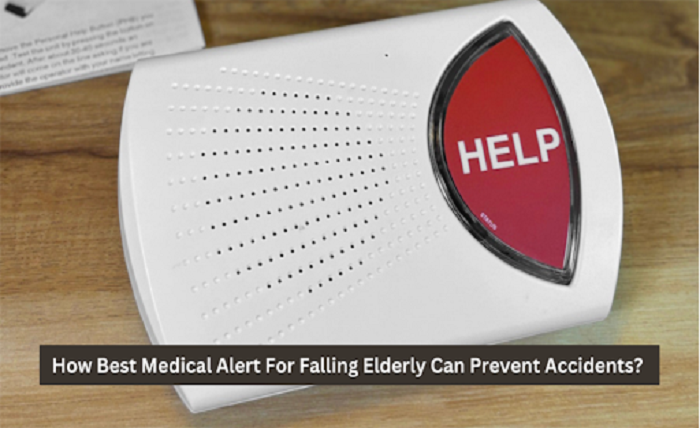
One wrong step can alter everything. A slippery bathroom floor, an uneven step, or sudden dizziness can result in a fall. What happens after the fall is frequently more severe than the fall itself. Delayed medical attention, prolonged time on the floor, and untreated injuries can soon lead to long-term complications. In the meantime, day-to-day independence starts to become tenuous.
However, the medical alert does more than call for help. It takes an active role in risk reduction, reducing response time, and rebuilding practical confidence to resume normal daily living. When technology is created specifically around fall situations, it turns from being a simple push button to a preventative safety measure.
This article discusses how the best medical alert systems for fall protection operate and how they prevent accidents before they turn into medical crises.
- Immediate Response Decreases Injury Severity
When considering the best medical alert for falling elderly, response time is the most important factor. After a fall, every minute is critical. Research also consistently demonstrates that staying on the ground for extended periods poses a greater risk of complications like dehydration, hypothermia, and pressure injuries.
With the help of a 24/7 monitored medical alert system, the simple press of a wearable button connects you directly to a trained responding center. More importantly, advanced systems incorporate automatic fall identification. This means that even if you are unconscious or disoriented, the device can detect a sudden impact and trigger an alert without any manual activation.
As such, emergency services or designated contacts are immediately dispatched. As a result, injuries are treated sooner, recovery outcomes improve, and secondary complications are reduced.
The key prevention element here is not preventing the fall itself, but preventing it from being life-threatening.
- Automatic Fall Detection Adds Critical Layer of Protection
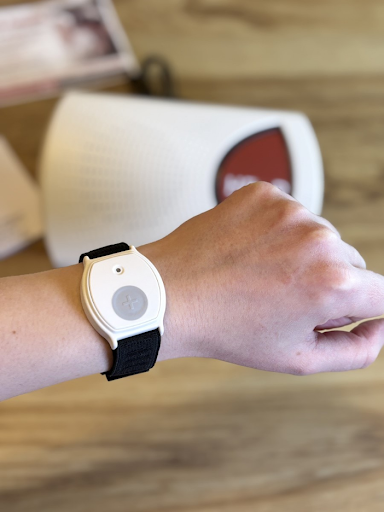
Although emergency buttons work, not all falls provide you with the opportunity to push the button. You could hit your head, be immobilized, or be confused. For such reasons, automatic fall detection becomes even more essential.
Modern fall detection technology is based upon built-in accelerometers and movement sensors to detect sudden changes in position, force of impact, and a lack of movement after the impact. If the pattern matches a fall, then the system automatically triggers an alert.
This feature closes an important and dangerous gap in the traditional emergency systems. In addition, instead of relying on purely manual activation, protection is activated proactively.
Moreover, automatic detection is helpful in certain high-risk areas, such as bathrooms, staircases, and outdoor pathways – places where falls often occur.
Due to this added layer, fall detection significantly decreases cases of unattended incidents and shortens emergency response intervals.
- 24/7 Monitoring Provides Continuous Monitoring Without Invading
You may value independence, but constant worry about emergencies may disrupt your day-to-day life. At the same time, family members can be uncomfortable with distance or delayed help.
A professionally-monitored system helps fill the gap. Trained operators are available twenty-four hours a day. Whether the alert is at midnight or mid-afternoon, help coordination is initiated immediately.
This is not passive monitoring, though, which is of critical importance. Operators confirm the situation by way of two-way voice communication incorporated directly into the device or base unit. As a result, you are able to speak clearly without the need for a separate phone.
Therefore, assistance is not only fast – it is informed and appropriate to the situation.
Continuous monitoring helps to minimize uncertainty, enhances response coordination, and helps to stop small incidents from escalating due to hesitation or delay.
- GPS and Mobile Coverage Extend Protection Beyond Home
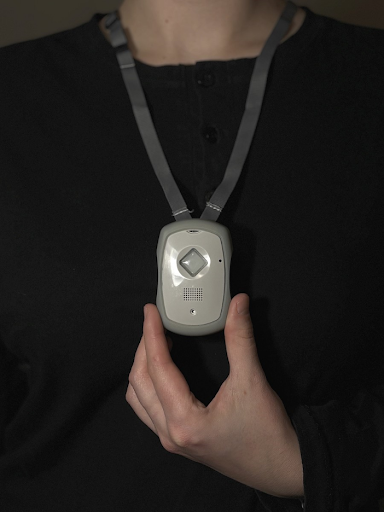
Falls do not occur only indoors. In fact, there are additional dangers introduced by the outdoor environment: uneven sidewalks, gravel paths, icy parts, and outdoor spaces without immediate support.
Traditional landline-based systems provide only home-based system protection. However, mobile medical alert devices that have built-in cellular connectivity and GPS tracking add safety coverage wherever you go.
If you fall while walking, going to the grocery store, or visiting a long-time friend, GPS-enabled systems relay the exact location of your fall to monitoring personnel. As a result, emergency personnel are sent to the precise location with no guesswork.
This mobility is what transforms the prevention strategy. Instead of having to restrict activity to mitigate the risk of falls, you develop a system of infrastructure that protects you and moves with you.
- Water-Resistant and Wearable Design Encourages Consistent Use
One overlooked aspect of fall prevention is compliance. A safety device cannot help if it is not worn.
Bathrooms are statistically high-risk areas due to slippery surfaces. Yet many individuals remove electronic devices before showering because they assume water exposure will cause damage.
High-quality medical alert systems address this directly. Water-resistant pendants and wristbands are designed to function in wet environments, including showers and bathtubs.
Additionally, lightweight, comfortable wearables encourage all-day use. Since devices are designed to be discreet and ergonomic, they do not interfere with clothing or sleep.
Because the device remains on your body at all times, the likelihood of protection during a fall increases substantially.
Consistency, therefore, becomes a silent but powerful preventive factor.
Final Thoughts
Falls remain one of the most serious health risks for aging adults. However, the severity of a fall often depends on what happens afterward.
When a system combines automatic detection, constant monitoring, mobility tracking, and wearable design, it shifts the focus from reaction to prevention. Instead of fearing delayed assistance, you establish an immediate response pathway.
Ultimately, the best protection strategy is not about restricting movement. It is about building a reliable safety net that activates the moment it is needed.
With the right medical alert system in place, accidents are less likely to become emergencies—and emergencies are less likely to become life-altering events.