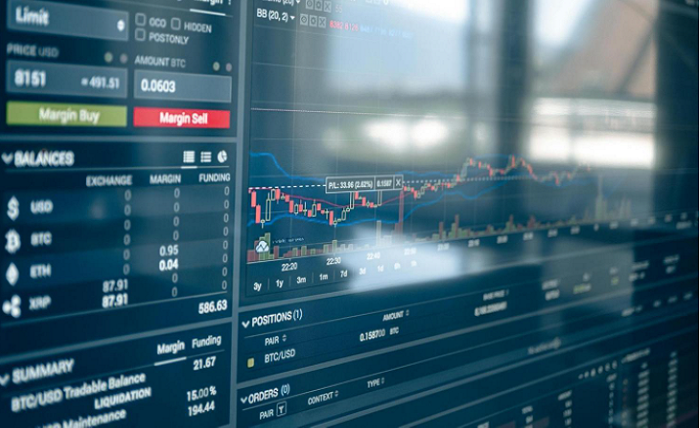
Cryptocurrency markets have changed dramatically over the past decade. What began as a niche environment driven largely by early adopters and technology enthusiasts has evolved into a sophisticated global financial ecosystem. Today, digital asset trading involves a diverse range of participants, from retail investors and independent traders to hedge funds, proprietary trading firms, and institutional asset managers.
As the market has grown, so too has the infrastructure supporting it. One of the most notable developments in recent years has been the emergence of professional-grade trading tools designed specifically for digital assets. Advanced charting platforms, algorithmic trading systems, derivatives markets, and real-time liquidity management tools are now widely available across major cryptocurrency exchanges.
These tools are transforming how traders interact with digital assets, bringing the crypto economy closer to the operational standards long established in traditional financial markets.
From Simple Exchanges to Complex Trading Platforms
In the early years of cryptocurrency, trading platforms were relatively basic. Most exchanges offered little more than spot trading interfaces where users could buy or sell digital assets using simple market or limit orders. Charting tools were limited, liquidity was inconsistent, and advanced risk management features were largely absent.
This simplicity was sufficient when the market was small and dominated by individual investors. However, as the value of the cryptocurrency market expanded and trading volumes increased, demand for more sophisticated tools quickly emerged.
Professional traders rely on technology to analyze markets, manage risk, and execute strategies efficiently. Without advanced infrastructure, such as margin systems, derivatives products, and real-time analytics, many institutional investors were hesitant to participate in digital asset markets.
Recognizing this demand, cryptocurrency exchanges began investing heavily in more advanced trading systems.
Advanced Market Analytics and Data Tools
One of the most important developments in the professionalization of cryptocurrency trading has been the expansion of market analytics tools.
Modern trading platforms now provide detailed order-book data, advanced charting capabilities, historical market analytics, and integrated technical indicators. Traders can monitor liquidity across multiple trading pairs, analyze price patterns, and identify opportunities using sophisticated visualization tools.
Algorithmic trading has also become increasingly common. Many professional traders deploy automated systems that execute trades based on predefined rules or market signals. These systems can react to market changes within milliseconds, enabling traders to take advantage of opportunities that would be difficult to capture manually.
Access to high-quality data has become a crucial competitive advantage. Exchanges and third-party analytics providers now offer extensive market metrics, including volatility indicators, funding rates, and derivatives positioning data.
These insights allow traders to better understand market dynamics and refine their strategies.
The Expansion of Crypto Derivatives Markets
Among the most significant professional trading tools to emerge in the cryptocurrency ecosystem are derivatives markets. Futures and options contracts allow traders to speculate on price movements, hedge portfolio risk, and deploy complex strategies without directly holding the underlying asset.
In traditional finance, derivatives markets play a central role in price discovery and liquidity formation. The same dynamic is now emerging within cryptocurrency markets.
Futures contracts enable traders to open both long and short positions, allowing them to profit from rising or falling prices. This flexibility is particularly important in the highly volatile crypto market, where price swings can occur rapidly.
Derivatives markets have become one of the most important tools for experienced traders in the cryptocurrency ecosystem. Futures contracts allow participants to take long or short positions, manage exposure to volatility, and apply leverage within structured exchange environments that monitor margin levels and risk in real time. Traders who want to access crypto futures through Kraken can do so within a derivatives marketplace that includes order-book liquidity, collateral management systems, and automated liquidation mechanisms designed to maintain stability in leveraged crypto trading.
By integrating these types of risk controls and trading tools directly into their exchanges, major crypto platforms have created infrastructure capable of supporting both professional and institutional market participants.
Risk Management and Market Stability
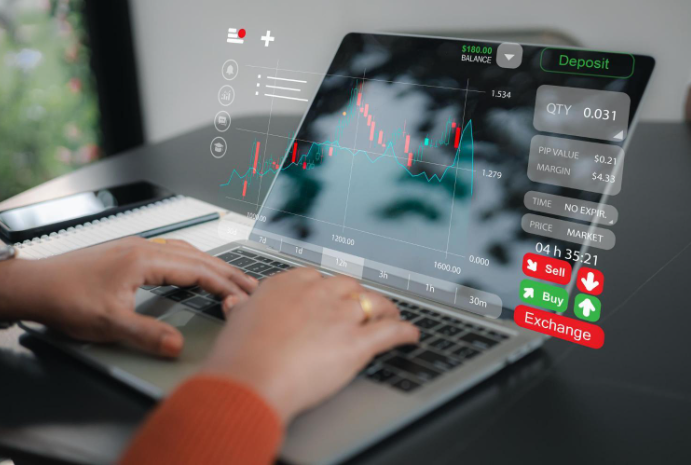
Professional trading tools are not only about executing strategies, they are also essential for managing risk.
Cryptocurrency markets are known for their volatility. Prices can change dramatically in response to regulatory announcements, macroeconomic events, technological developments, or shifts in market sentiment.
To operate effectively in such an environment, traders rely on systems that monitor positions, track margin requirements, and automatically manage exposure.
Modern exchanges incorporate automated liquidation systems that close positions if margin requirements fall below acceptable thresholds. These mechanisms help prevent losses from cascading through the market during periods of extreme volatility.
Risk management tools also include stop-loss orders, conditional orders, and portfolio exposure monitoring. Together, these features enable traders to maintain control over their strategies even in fast-moving markets.
Institutional Participation and Market Maturity
The availability of professional trading tools has played a key role in attracting institutional investors to the cryptocurrency ecosystem.
Large financial institutions require reliable trading infrastructure before allocating capital to new markets. They expect deep liquidity, transparent order books, strong cybersecurity practices, and robust risk management systems.
As exchanges have introduced derivatives markets, advanced analytics, and institutional-grade custody solutions, digital asset markets have become more accessible to professional investors.
This influx of institutional capital has helped increase market liquidity and stability. Market makers and trading firms contribute continuous buy and sell orders, narrowing spreads and improving overall market efficiency.
At the same time, exchanges have strengthened compliance frameworks and operational standards to align more closely with global financial regulations.
Technology Driving the Future of Trading
Technological innovation continues to drive the evolution of cryptocurrency trading tools. Artificial intelligence, machine learning, and predictive analytics are increasingly being integrated into trading platforms and market analysis tools.
These technologies help traders identify patterns, analyze large datasets, and forecast potential price movements with greater precision.
Decentralized finance (DeFi) is also introducing new trading models, allowing users to interact directly with blockchain-based financial protocols without relying on centralized intermediaries.
While centralized exchanges remain dominant for high-volume derivatives trading, decentralized platforms are beginning to explore similar tools, expanding the possibilities for digital asset trading even further.
According to the European Central Bank, the development of increasingly sophisticated trading infrastructure, including derivatives markets and advanced analytics tools, is a key factor in the ongoing institutionalization and maturation of global cryptocurrency markets.
A Market Entering Its Professional Era
The rise of professional trading tools marks an important stage in the evolution of the cryptocurrency economy. What once functioned as a loosely organized network of exchanges has matured into a technologically advanced financial marketplace.
Today’s traders operate within ecosystems that offer high-speed execution engines, complex derivatives instruments, advanced analytics, and automated risk management systems. These capabilities allow participants to implement strategies that were once limited to traditional financial institutions.
As digital asset markets continue to expand and integrate with global finance, the importance of these professional tools will only grow. The cryptocurrency economy is entering a new phase, one defined not only by innovation but by the infrastructure necessary to support sophisticated, large-scale trading activity around the world.