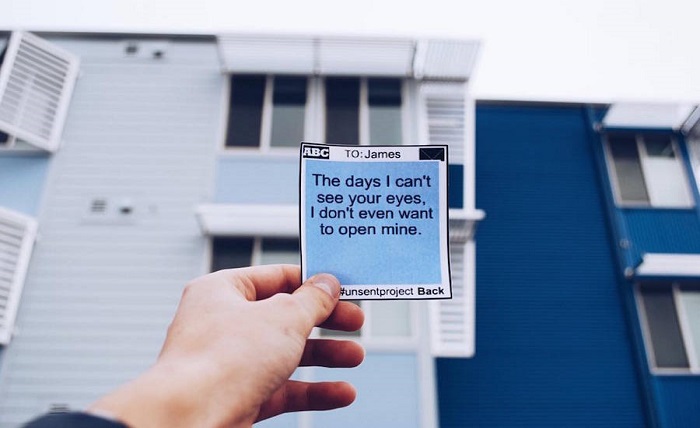
The unsent messages project is a digital and emotional concept where people write messages they never actually send to the intended person. These messages often express feelings like love, regret, anger, apology, or closure. The unsent messages project has become a safe space for individuals who want to release emotions without real-world consequences or confrontation.
The unsent messages project is not just a writing exercise; it is a form of emotional expression that reflects human vulnerability. People use it to say things they cannot say directly, often due to fear, distance, or unresolved relationships. In this way, the unsent messages project acts like a digital diary shared anonymously or privately.
At its core, the unsent messages project highlights how communication has evolved in the digital age. Instead of bottling emotions, individuals now have platforms and communities where the unsent messages project allows them to articulate thoughts they never intended to deliver.
Origins and Concept of Unsent Messages Project
The unsent messages project originated from online artistic and emotional storytelling spaces where users were encouraged to write unsent letters or messages. Over time, the unsent messages project evolved into social media pages, websites, and community-driven archives where anonymous emotional expression became central.
The unsent messages project concept is deeply rooted in psychology and creative writing. It combines expressive therapy with modern digital storytelling. In the unsent messages project, users often find comfort knowing that others share similar emotions, even if they remain strangers.
As the unsent messages project grew in popularity, it became a global phenomenon. People from different cultures contribute to the unsent messages project, making it a collective emotional archive that reflects universal human experiences of love, loss, and longing.
How the Unsent Messages Project Works
The unsent messages project typically works by allowing users to submit anonymous messages through websites or social platforms. These messages are then published or stored without revealing identity. The unsent messages project ensures that emotional expression remains safe and private.
In many versions of the unsent messages project, users categorize their messages based on themes like heartbreak, friendship, or closure. This structure helps the unsent messages project organize emotional content while still maintaining anonymity and openness.
The unsent messages project also encourages reflection. After writing, users often feel relief, as the unsent messages project gives them a chance to process emotions without the pressure of response or judgment.
The unsent messages project continues to grow as digital platforms integrate storytelling features, making it easier for people to participate and engage in emotional expression.
Emotional Impact of the Unsent Messages Project
The unsent messages project has a strong emotional impact because it allows individuals to release feelings they may have suppressed for a long time. Writing in the unsent messages project often brings emotional relief and psychological clarity.
Many users of the unsent messages project report feeling lighter after expressing thoughts they never shared in real life. The unsent messages project acts as a form of emotional therapy, helping individuals process grief, heartbreak, or unresolved conflicts.
The unsent messages project also creates emotional connection between strangers. Reading others’ submissions in the unsent messages project can help people feel less alone in their struggles, reinforcing shared human experiences.
Privacy and Anonymity in the Unsent Messages Project
Privacy is a key element of the unsent messages project, as most platforms ensure that submissions remain anonymous. This anonymity allows users of the unsent messages project to express honest and raw emotions without fear of exposure.
The unsent messages project relies heavily on trust between users and platforms. People participate in the unsent messages project because they believe their identities will remain hidden, encouraging authenticity and emotional honesty.
However, the unsent messages project also raises questions about data safety and digital privacy. While most versions of the unsent messages project protect anonymity, users are still encouraged to be mindful of what they share online.
Popularity and Social Media Influence of Unsent Messages Project
The unsent messages project has gained massive popularity through platforms like Instagram, TikTok, and Tumblr, where emotional storytelling thrives. The unsent messages project often goes viral because it resonates with universal human feelings.
Social media has amplified the reach of the unsent messages project, turning it into a global emotional archive. People engage with the unsent messages project by liking, sharing, or commenting on anonymous posts that reflect shared experiences.
The unsent messages project continues to grow as influencers and creators highlight emotional storytelling trends. This makes the unsent messages project not just a personal outlet but also a cultural movement in digital expression.
Criticism, Safety, and Alternatives of Unsent Messages Project
Despite its popularity, the unsent messages project has faced criticism regarding emotional dependency and privacy concerns. Some critics argue that the unsent messages project may encourage individuals to avoid real-life communication.
Safety is also a concern in the unsent messages project, especially when sensitive emotional content is shared. While the unsent messages project is generally anonymous, users must still be cautious about oversharing personal details.
There are alternatives to the unsent messages project, such as journaling apps, therapy sessions, and private writing exercises. These alternatives to the unsent messages project offer similar emotional benefits with more structured support systems.
Psychological Value of the Unsent Messages Project
The unsent messages project has significant psychological value because it encourages emotional release. Psychologists often recognize that the unsent messages project helps people process unresolved feelings in a safe environment.
Engaging in the unsent messages project can improve emotional awareness. By writing thoughts in the unsent messages project, individuals often gain clarity about their relationships and internal struggles.
The unsent messages project also supports emotional healing by allowing symbolic communication. Even though messages are not sent, the unsent messages project provides closure that many people struggle to achieve in real life.
Conclusion
The unsent messages project represents a powerful intersection of emotion, technology, and human storytelling. It allows individuals to express what they cannot say aloud, offering emotional relief and digital anonymity. The unsent messages project continues to grow as more people seek safe spaces for emotional expression in an increasingly connected world.
Ultimately, the unsent messages project is more than just writing—it is a reflection of human vulnerability, healing, and the need to be heard, even if only by strangers on the internet.
FAQs
1. What is the main purpose of the Unsent Messages Project?
The unsent messages project allows people to express emotions they cannot send directly, helping them release feelings safely and anonymously.
2. Is the Unsent Messages Project anonymous?
Yes, the unsent messages project is generally anonymous, allowing users to share honest thoughts without revealing their identity.
3. Why do people use the Unsent Messages Project?
People use the unsent messages project to cope with emotions like heartbreak, regret, or closure that they cannot express in real life.
4. Is the Unsent Messages Project safe?
The unsent messages project is mostly safe, but users should avoid sharing sensitive personal information even in anonymous settings.
5. Can the Unsent Messages Project help with emotional healing?
Yes, the unsent messages project can support emotional healing by providing a space for reflection, expression, and psychological relief.